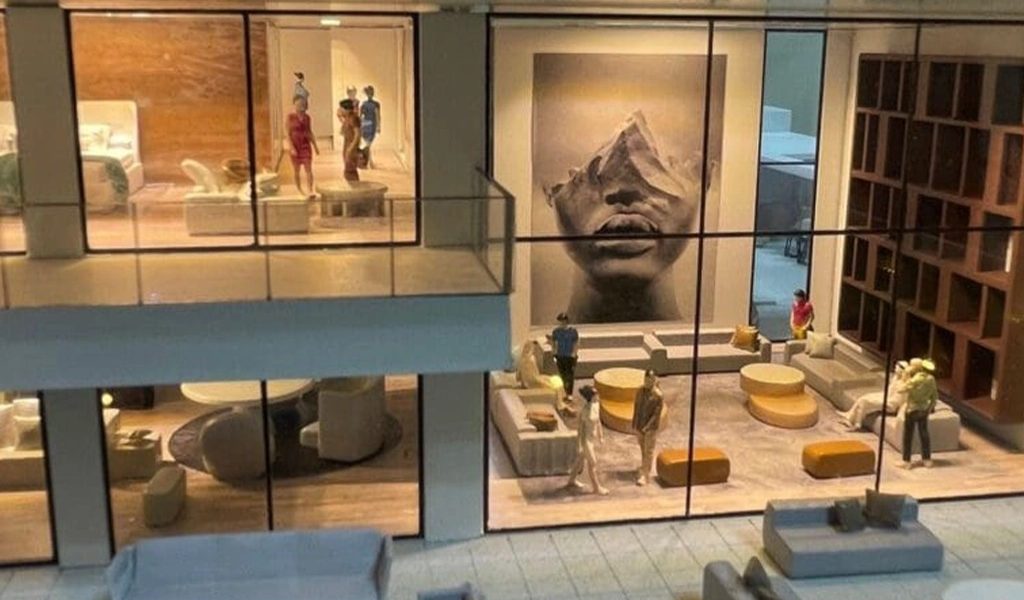
Waiting for a finished rendering can test anyone’s patience. Clients often find themselves watching the clock, wondering when their project will finally appear as a crisp, realistic image. The actual timeframe for this creative process varies widely, but a clear picture of standard schedules helps set proper expectations.
Project size, detail level, and revision rounds all directly influence the final delivery date from a 3d rendering company.
The initial consultation and project setup
The clock starts ticking with the first conversation about the project. This phase involves gathering all necessary materials, including architectural plans, material samples, and reference images. Clear communication during this stage prevents confusion later. The setup period typically takes one to two business days. This time allows the team to organize files and prepare the digital workspace for modeling.
The modeling and scene construction phase
Building the digital environment forms the foundation of the entire rendering process. Artists construct the geometry, apply textures, and arrange lighting to match the provided specifications. A standard interior scene may require three to five business days for complete construction. Exterior projects with surrounding landscapes often take longer due to added environmental elements. Complex architectural details naturally extend this timeline.
The initial rendering and review process
Generating the first set of images produces a preview for client feedback. This initial output usually arrives within five to seven business days from the project start. The images show the general composition, lighting mood, and material application. Clients review these visuals and prepare their adjustment notes. This review period typically takes one to two business days, depending on response speed.
The revision and refinement cycle
Adjustments represent a normal part of achieving the desired final look. Each round of revisions, from color changes to object repositioning, adds two to four business days to the schedule. Simple modifications like adjusting brightness finish faster. Major overhauls such as restructuring entire rooms or changing exterior facades extend the timeline further. Multiple revision rounds increase total project duration proportionally.
The final rendering and delivery stage
Producing the high-resolution final images consumes significant computing resources. A single 4K image might take several hours to render. Complex scenes with intricate lighting and numerous reflective surfaces require additional processing time. This final production phase usually occupies two to three business days. The team delivers the completed files once rendering finishes and quality checks pass.